First, there is a lot we don't know as of this writing. Atlanta could be finalizing a trade that will make this move look much more reasonable so we shouldn't immediately jump to the conclusion that the Braves are being extra strength stupid.
With that said, the Braves twitterverse was in full uproar Monday evening when, as news broke that the Alberto Callaspo signing had been completed, in a related transaction, Atlanta designated reliever Anthony Varvaro for assignment. The Braves, who were at the full 40-man roster limit before signing Callaspo, needed to create room - that much is true. What is perplexing is why Varvaro? Again, a trade might be announced over the next few days that will clear up this matter. On the surface, it makes zero sense and I guess we must have faith in John Hart to make this work. Or just cry. I vote cry.
Varvaro was once a 12th rounder out of St. John's by the Mariners back in 2005. He started briefly, but after sucking badly, the Mariners moved him to the bullpen by 2009. His problem in the minors was walks, including a walk rate of 7.3 per nine innings in that first year as a reliever. As he began to rectify that problem and the walks fell, he started to move up the ladder in the M's system rather quickly, reaching the majors by the end of 2010.
His time with the Mariners was limited to just four games as they DFA'd him following the signing of Miguel Olivo, who would go on to have one of the most offensively inept seasons in modern history. A .253 OBP in 507 plate appearances? I can only imagine the anger of watching that saunter up to the plate 500 times. And we thought Jeff Francoeur was an out machine? Incidentally, "Out Machine" was The Miracles' unsuccessful follow-up to their final big hit.
Also...that's what happens to the guy you DFA Varvaro for? Callaspo doesn't have a chance.
With the Braves, Varvaro would spend a couple of seasons shuffling between Gwinnett and Atlanta. He was hit by the homer bug, though the sample size was low enough that I would struggle to say he pitched that poorly.
He finally came into his own during the 2013 season. Effectively replacing Cristhian Martinez in the bullpen after Lispy went down with arm troubles, Varvaro would appear in 62 games with the Braves and toss 73.1 ING, which led Braves relievers. He got more groundballs which kept the ball in the yard and even set a new personal best in fewest walks per nine innings. It wasn't all roses because he did uncork seven wild pitches and his strikeouts tumbled, the latter of which explaining the huge discrepancy in FIP (3.47) and xFIP (4.19). Still, as a long reliever who keeps the game from getting out of hand or throws quality extra innings, Varvaro was solid in his role. He even came to the plate once on August 17th of 2013 against the Nats. He had entered because Mike Minor had one of his few WTF outings of the season. Varvaro would bat following some fireworks after Stephen Strasburg, who hit Justin Upton and threw behind Andrelton Simmons, was ejected. The long reliever struck out looking against Tanner Roark. Currently, its his only plate appearance.
Varvaro returned in 2014 and took on a bigger role in the wake of injuries and poor early season play by David Carpenter. His strikeouts saw a considerable rise and he even walked fewer batters, leading to his best professional season. No longer a long guy, Varvaro was asked to get situational outs, despite reverse splits for the year and his career, another decision make by Fredi Gonzalez based on the "book" over facts. Like I said, he was still productive, but was better suited for longer outings, not as the guy coming in to face a righty.
Not arbitration-eligible, it looked like Varvaro would return to play a significant role for the Braves in 2015 until he was DFA'd. An aforementioned trade might be in the future or, as Gondeee suggests, maybe a late season drop in velocity concerned them. Or maybe the Braves want to rid themselves of everything Frank Wren ever touched (you're next, Tyler Pastornicky). Whatever the case, it was certainly an odd move as this point to dump a guy who has been productive with so many fairly worthless players already on the 40-man roster (like Pastornicky or Jose Constanza). If a trade doesn't happen, this move makes you really question just what in the hell is going on in Atlanta's front office. Even if a trade does happen, if Varvaro is simply tossed to the side for a guy in A-ball with good velocity and nothing else, you feel cheated. Four years of team-control has essentially been tossed down the drain. Let's make it worth something.
Either way, if the Curse of Varvaro is real, Callaspo is so screwed.
Tuesday, December 16, 2014

Monday, December 15, 2014
Last Minute Gift Ideas
Christmas is just around the corner and if you're anything like me, you still have a few things to get.
The Braves are in a similar position as they have done some of their shopping and they are keeping their eye on some big purchases if the price is right, but they also need to look for some little things to complete their Christmas shopping. Maybe a stocking stuffer or ugly sweater. Or power bat. One of those things.
George Kottaras - Catcher
I am going to make a concession here because Kottaras has defensive issues even though his defensive WAR at fangraphs has always been at least average. His pitch-framing, which you can find here, has always been miserable. He doesn't throw out anyone. Nevertheless, the Braves need offense and Kottaras, despite his career .215 batting average, gives you offense (especially compared to his position). How's that? He's posted a career walk rate of 14.1% and a .197 ISO. Since 2008, among catchers who have received 800 plate appearances, he ranks third in both categories. Yet he bounces around while others with such marks get long term deals. Kottaras has never been a starter and like I said, he has his shortcomings on defense. If the Braves want to focus on defense only for backup catcher, let Christian Bethancourt back-up. But if they want a veteran who gets on base, hits for power, and tries to play catcher, add Kottaras.
Rafael Furcal - Second Base
Whoa...didn't that bridge get burned for good? And a bomb dropped on it? And a sign was put up that said "Not Safe for Humans?" Yeah, probably, but the Braves could use another option at second base. I mean, they just gave Alberto Callaspo a contract. Why not Furcal on a minor league deal? Fookie was limited by injuries last year and might not hold up for very long, but he's worth a look. Sure, he won't steal a bunch of bases for you anymore, but as a stopgap until our next Furcal, Jose Peraza, arrives, he could provide a little value. At worst, you cut him before the season.
Mike Morse - First Base/Outfield
A member of the 2014 champs, Morse is again a thoroughly limited player. His defense at first isn't terrible, but in the outfield, he's horrendous. But like Brad Pitt in Moneyball, I don't really care about that because Morse gets on base. He also hits for power as evidence by his career ISO of .193. If Atlanta trades Justin Upton and/or Evan Gattis, they are going to need a bit more power. Hell, they probably need it now. Sure, Morse might Doumit all over the field next year, but let's focus on the positives. Morse, a right-hand hitter, isn't vulnerable when it relates to LHP vs. RHP, which allows you to use him late in games. Morse might not fit this article's definition of a bargain depending on where his market value lands, but he's worth the Christmas club money.
Chris Capuano - Starting Pitcher
40 pitchers last season threw their fastball less than 50% of the time. Of that 40, over half of them used their cutter enough to be disqualified from this exercise. That leaves 14 pitchers. Well, 13 if you take out the Canadian knuckleballer. One of those baker's dozen is Capuano, who went to the trusty number one just 44% of the time. Capuano reminds me of Aaron Harang, though not because of his pitching style. Capuano, like Harang, is a flyball pitcher who simply needs to land into a spot that will suppress his tendency to give up homers. Atlanta can be that place. Capuano has kept his FIP under 4.00 the last three years and would fit nicely either as a starter or long guy.
Gavin Floyd - Starting Pitcher
Hey, I know that guy! You remember Floyd and his elbow that decided it wanted to live independently of his body? Well, he's supposed to be fully healthy by spring and ready to give it another try in 2015. He was actually fairly productive before the injury and he came to Atlanta for a reason. Why not stick around and see if he can give the Braves 30 starts next year? After all, who else is going to start? David Hale?
Mike Adams - Relief Pitcher
Though he has spent the last two seasons mostly on the shelf as he "stole money" from the Phillies, Adams was able to get back to the majors last September and is worth a look. Before his injuries in Philly, Adams had posted a five-year run where he averaged almost 60 games with a 2.67 FIP and a 0.99 WHIP. On a one-year contract with incentives, he could become a major cog getting the game to the ninth.
So, there we have it. Six veteran "presents" that are truly presents for John Hart. Feel free to parade my ideas around as your own when you take home Executive of the Year. You're welcome.
The Braves are in a similar position as they have done some of their shopping and they are keeping their eye on some big purchases if the price is right, but they also need to look for some little things to complete their Christmas shopping. Maybe a stocking stuffer or ugly sweater. Or power bat. One of those things.
George Kottaras - Catcher
I am going to make a concession here because Kottaras has defensive issues even though his defensive WAR at fangraphs has always been at least average. His pitch-framing, which you can find here, has always been miserable. He doesn't throw out anyone. Nevertheless, the Braves need offense and Kottaras, despite his career .215 batting average, gives you offense (especially compared to his position). How's that? He's posted a career walk rate of 14.1% and a .197 ISO. Since 2008, among catchers who have received 800 plate appearances, he ranks third in both categories. Yet he bounces around while others with such marks get long term deals. Kottaras has never been a starter and like I said, he has his shortcomings on defense. If the Braves want to focus on defense only for backup catcher, let Christian Bethancourt back-up. But if they want a veteran who gets on base, hits for power, and tries to play catcher, add Kottaras.
Rafael Furcal - Second Base
Whoa...didn't that bridge get burned for good? And a bomb dropped on it? And a sign was put up that said "Not Safe for Humans?" Yeah, probably, but the Braves could use another option at second base. I mean, they just gave Alberto Callaspo a contract. Why not Furcal on a minor league deal? Fookie was limited by injuries last year and might not hold up for very long, but he's worth a look. Sure, he won't steal a bunch of bases for you anymore, but as a stopgap until our next Furcal, Jose Peraza, arrives, he could provide a little value. At worst, you cut him before the season.
Mike Morse - First Base/Outfield
A member of the 2014 champs, Morse is again a thoroughly limited player. His defense at first isn't terrible, but in the outfield, he's horrendous. But like Brad Pitt in Moneyball, I don't really care about that because Morse gets on base. He also hits for power as evidence by his career ISO of .193. If Atlanta trades Justin Upton and/or Evan Gattis, they are going to need a bit more power. Hell, they probably need it now. Sure, Morse might Doumit all over the field next year, but let's focus on the positives. Morse, a right-hand hitter, isn't vulnerable when it relates to LHP vs. RHP, which allows you to use him late in games. Morse might not fit this article's definition of a bargain depending on where his market value lands, but he's worth the Christmas club money.
Chris Capuano - Starting Pitcher
40 pitchers last season threw their fastball less than 50% of the time. Of that 40, over half of them used their cutter enough to be disqualified from this exercise. That leaves 14 pitchers. Well, 13 if you take out the Canadian knuckleballer. One of those baker's dozen is Capuano, who went to the trusty number one just 44% of the time. Capuano reminds me of Aaron Harang, though not because of his pitching style. Capuano, like Harang, is a flyball pitcher who simply needs to land into a spot that will suppress his tendency to give up homers. Atlanta can be that place. Capuano has kept his FIP under 4.00 the last three years and would fit nicely either as a starter or long guy.
Gavin Floyd - Starting Pitcher
Hey, I know that guy! You remember Floyd and his elbow that decided it wanted to live independently of his body? Well, he's supposed to be fully healthy by spring and ready to give it another try in 2015. He was actually fairly productive before the injury and he came to Atlanta for a reason. Why not stick around and see if he can give the Braves 30 starts next year? After all, who else is going to start? David Hale?
Mike Adams - Relief Pitcher
Though he has spent the last two seasons mostly on the shelf as he "stole money" from the Phillies, Adams was able to get back to the majors last September and is worth a look. Before his injuries in Philly, Adams had posted a five-year run where he averaged almost 60 games with a 2.67 FIP and a 0.99 WHIP. On a one-year contract with incentives, he could become a major cog getting the game to the ninth.
So, there we have it. Six veteran "presents" that are truly presents for John Hart. Feel free to parade my ideas around as your own when you take home Executive of the Year. You're welcome.
Reviewing BA's Top 10: 2001
Welcome to another look back at Baseball America's Top Ten prospects for the Braves system. The system begins to show some weaknesses in 2001. Two years before, every prospect on the list made it to the majors. Three missed out in 2000 and three more, including two different players from the previous year, fail to get to the majors from the 2001 list. Half of this year's list wasn't featured during the previous year's list, though the number one made the 2000 Top 100, but was left out of the Braves Top Ten. For the first time since 1995, George Lombard won't be on this year's list.
For previous editions of this series, click here.
1. Wilson Betemit, ss - BA Top 100: #29 - Other Years in Braves Top Ten: 2002 (1st), 2003 (2nd)
By the end of the 2000 season, the 18 year-old Betemit had finished one season above rookie ball, but the huge international signing was rising fast in the eyes of prospects. At 18, Betemit should have had two seasons of professional experience under his belt, but his year with Jamestown in short-season A ball was his fourth. Due to an age mix-up, the Braves had actually signed Betemit when he was just 14-and-a-half. In their defense, he was a high school graduate already. The Braves were fine $100K and prohibited from scouting/signing players out of the Dominican Republic for six months during 2000. Even with that controversy, the signing looked like a masterstroke as Betemit progressed through the minors. Nothing seemed to halt him...until Richmond. A sub .700 OPS in 2002 and a .729 OPS in 2003 took away a considerable amount of the hype, though he would rebuild a bit in 2004 and was still just 22 years old. He finally landed in Atlanta for good in 2005 after small cups of coffee in 2001 and 2004. Slashing his way to a .305/.359/.435 year while backing up at three positions, the possibility of eventually growing into the player we thought he could be was back on. More production in 2006 followed, but for still unknown reasons, the Braves shipped him to the Dodgers for Willy Aybar and Danys Baez. The Braves would finish third that season.
However, Betemit never seemed to be productive for long and played everywhere before injuries forced him into a minor league season with Durham last year where he struck out 144 times and posted a .694 OPS. Despite a career that is rapidly approaching 20 years, Betemit is still only 33 and will likely get another shot somewhere. His defensive skills have long ago deteriorated to the point where he plays only the corner infield positions, but there has to be a spot for a guy who has a career OPS of .819 against right-handed pitching, including a .859 OPS in his last remotely healthy season of 2012.
2. Matt McClendon, rhp - BA Top 100: #51
Despite a very brief career, McClendon became a bit of a top prospect in 2000. Unfortunately for him, it was the only season of his career he was able to stay healthy. A fifth rounder out of the University of Florida in 1999, McClendon had been the 33rd overall pick just three years before by the Reds so he sacrificed some cash. He was the only four-year college draft choice by the Braves in the first 15 rounds that season, a draft that produced only one notable player and that player, Garrett Jones, never played for Atlanta. McClendon, like three other pitchers on this list, was a member of the 2000 Myrtle Beach Pelicans, a team that went 88-52 behind a team ERA of 2.51. He made just six starts for them before moving up to Greenville, where he threw his only career shutout while posting a 1.36 WHIP in 131 innings. From there...bunches of injuries. He tossed 73 innings in 2001, 20.2 ING in 2002, just 4.1 ING in 2003, and in his final season, 2004, he pitched in eleven games and 19.1 ING for Myrtle Beach before the Braves cut him. He has found second life, though, as a member of the Scott Boras Corporation working for his former agent.
3. Marcus Giles, 2b - BA Top 100: #54 - Other Years in Braves Top Ten: 1999 (10th), 2000 (3rd)
Giles was coming off a 17 homerun season with the Greenville Braves when he just missed out on being tabbed a Top 50 prospect by Baseball America. Nevertheless, he would shake that off to see time with the Braves during a pair of promotions. Oddly, the first one ended a day after hitting a game-deciding Grand Slam against Mike Hampton, but on July 20th, the Braves recalled Giles and he became the starting second baseman and leadoff hitter for the rest of the season. After a down year in 2002, he became one of my favorite players during a 2003 campaign that may have been aided with some helpful supplements. During his All-Star campaign, he slashed .316/.390/.526 with 49 doubles, 21 homers, and 14 steals. He was in a perfect situation, hitting between Rafael Furcal and Gary Sheffield, which led to a wealth of fastballs that he could clobber. His 2004 season, shorten by an unfortunate meeting with Andruw Jones, wasn't nearly as successful and thought he did resurface in 2005, his power declined and with it, his batting average. His career was about done just five seasons after he broke through.
4. Matt Belisle, rhp - BA Top 100: #28 - Other Years in Braves Top Ten: 2002 (6th)
It's easy to forget, but Belisle was once a big pitching prospect. The 20 year-old split the 2000 season between Macon and Myrtle Beach and struck out 168 batters to just 29 walks, an astounding number. However, a lost 2001 season to injury and a disappointing 2002 led to Belisle losing his prospect hype. He was traded during 2003 to the Reds for Kent Mercker, closing the door on the 1998 second-rounder with the Braves. After struggling to establish himself as both a starter and reliever, he landed in Colorado for five years and pitched well overall out of the Rockies' bullpen. More recently, he joined the Cardinals for the 2015 season on a one-year pact.
5. Jason Marquis, rhp - BA Top 100: #92 - Other Years in Braves Top Ten: 1997 (6th), 1998 (8th), 1999 (5th), 2000 (6th)
Ahead of his most continued exposure in Atlanta, Marquis has made 17 starts in the minors, though his numbers at Richmond weren't so hot (but low sample size). He also saw 15 games in the majors as a reliever. His time with the Braves in 2001 was notably his best in Atlanta. He appeared in 38 games, including moving to the starting rotation for most of the final three months. He even threw two innings in the NLCS against the D'Backs, though his defense hurt him badly in Game Four, leading to four unearned runs in an eventual 11-4 whipping when the supposedly defensively sound Rey Sanchez threw the ball away. After a rough 2002-03, Marquis time with the Braves was finished.
6. Billy Sylvester, rhp
Spartanberg Methodist College has produced a few solid hitters over the years, including Orlando Hudson, Mookie Wilson, and a pair of ex-Braves in Dwight Smith and Reggie Sanders. Sylvester, a teammate of Hudson, looked like he might be the next one after he transitioned to closer for the 2000 Pelicans and saved 16 games while allowing just four earned runs in 45.2 ING to go with 48 K's. However, he was a little lucky that season. The walks begin to double and while he would continue to save games, he wasn't able to get enough outs to secure much of a look. After the Braves let him leave following the 2003 season, he would go on to play in the Rangers, A's, and Nationals systems before finishing his career by pitching 58 innings for the Somerset Patriots in the Atlantic League. He currently is the head of the Darlington High School baseball program in Darlington, SC along with being an assistant football coach.
7. Adam Wainwright, rhp - BA Top 100: #97 - Other Years in Braves Top 100: 2002 (2nd), 2003 (1st), 2004 (3rd)
It was meant to be. The self-proclaimed "biggest Braves fan in the history of the world" was perfectly matched up with the team that took him 29th overall in 2000. He followed that up by easily mowing down rookie league hitters who had no business stepping into the box against him. He was remarkably consistent and on the verge of greatness by the end of 2003 when...he was traded. After that, I assume he died because I don't remember hearing a thing about him or how that trade worked out.
8. Wes Helms, 3b - Other Years in the Braves Top Ten: 1997 (5th), 1998 (5th), 1999 (9th)
Helms is not interesting enough to continue to write about for this series, but he did follow up an injury-riddled 1999 with a solid season in 2000 so it's good to see him rebound. By the way, his last major league hit was an infield single. Only 48 of his 694 major league hits were infield singles so that's something, especially for a guy who was only successful in three of 15 stolen base attempts.
9. Christian Parra, rhp
Another of those Myrtle Beach pitchers, Parra spent the whole season with the Pelicans after being signed as an undrafted free agent the previous year. His 2000 season included a 17-4 record and 2.28 ERA, good enough to win the Carolina League Pitcher of the Year. He even pitched in a combined no-hitter, finishing a double header shortened game that Tim Spooneybarger, on a rehab assignment, had started with one hitless inning. But after sucking in 2001, he missed all of 2002 to injury and never played another professional game. He did try to get going again in Mexico, but wasn't able to get a look in the Mexican League.
10. Scott Sobkowiak, rhp - Other Years in Braves Top Ten: 2000 (4th)
Baseball America must have been kind to Sobkowiak to keep him on this list after he made just four starts in 2000 due to injury. The Northern Iowa product would reach the majors for one inning to close the year in 2001, but he would never get back to the majors. He has spent the last almost five years as a pitching coach for the Lewis University Flyers, though he doesn't show up right now so he may have moved on.
The Braves had six players in the Top 100, but none made the Top 25. They did eventually get a guy who was in the Top 25 that season when Ben Sheets, ranked fifth, finished his career with nine starts as a member of the 2012 Braves.
For previous editions of this series, click here.
1. Wilson Betemit, ss - BA Top 100: #29 - Other Years in Braves Top Ten: 2002 (1st), 2003 (2nd)
By the end of the 2000 season, the 18 year-old Betemit had finished one season above rookie ball, but the huge international signing was rising fast in the eyes of prospects. At 18, Betemit should have had two seasons of professional experience under his belt, but his year with Jamestown in short-season A ball was his fourth. Due to an age mix-up, the Braves had actually signed Betemit when he was just 14-and-a-half. In their defense, he was a high school graduate already. The Braves were fine $100K and prohibited from scouting/signing players out of the Dominican Republic for six months during 2000. Even with that controversy, the signing looked like a masterstroke as Betemit progressed through the minors. Nothing seemed to halt him...until Richmond. A sub .700 OPS in 2002 and a .729 OPS in 2003 took away a considerable amount of the hype, though he would rebuild a bit in 2004 and was still just 22 years old. He finally landed in Atlanta for good in 2005 after small cups of coffee in 2001 and 2004. Slashing his way to a .305/.359/.435 year while backing up at three positions, the possibility of eventually growing into the player we thought he could be was back on. More production in 2006 followed, but for still unknown reasons, the Braves shipped him to the Dodgers for Willy Aybar and Danys Baez. The Braves would finish third that season.
However, Betemit never seemed to be productive for long and played everywhere before injuries forced him into a minor league season with Durham last year where he struck out 144 times and posted a .694 OPS. Despite a career that is rapidly approaching 20 years, Betemit is still only 33 and will likely get another shot somewhere. His defensive skills have long ago deteriorated to the point where he plays only the corner infield positions, but there has to be a spot for a guy who has a career OPS of .819 against right-handed pitching, including a .859 OPS in his last remotely healthy season of 2012.
2. Matt McClendon, rhp - BA Top 100: #51
Despite a very brief career, McClendon became a bit of a top prospect in 2000. Unfortunately for him, it was the only season of his career he was able to stay healthy. A fifth rounder out of the University of Florida in 1999, McClendon had been the 33rd overall pick just three years before by the Reds so he sacrificed some cash. He was the only four-year college draft choice by the Braves in the first 15 rounds that season, a draft that produced only one notable player and that player, Garrett Jones, never played for Atlanta. McClendon, like three other pitchers on this list, was a member of the 2000 Myrtle Beach Pelicans, a team that went 88-52 behind a team ERA of 2.51. He made just six starts for them before moving up to Greenville, where he threw his only career shutout while posting a 1.36 WHIP in 131 innings. From there...bunches of injuries. He tossed 73 innings in 2001, 20.2 ING in 2002, just 4.1 ING in 2003, and in his final season, 2004, he pitched in eleven games and 19.1 ING for Myrtle Beach before the Braves cut him. He has found second life, though, as a member of the Scott Boras Corporation working for his former agent.
3. Marcus Giles, 2b - BA Top 100: #54 - Other Years in Braves Top Ten: 1999 (10th), 2000 (3rd)
Giles was coming off a 17 homerun season with the Greenville Braves when he just missed out on being tabbed a Top 50 prospect by Baseball America. Nevertheless, he would shake that off to see time with the Braves during a pair of promotions. Oddly, the first one ended a day after hitting a game-deciding Grand Slam against Mike Hampton, but on July 20th, the Braves recalled Giles and he became the starting second baseman and leadoff hitter for the rest of the season. After a down year in 2002, he became one of my favorite players during a 2003 campaign that may have been aided with some helpful supplements. During his All-Star campaign, he slashed .316/.390/.526 with 49 doubles, 21 homers, and 14 steals. He was in a perfect situation, hitting between Rafael Furcal and Gary Sheffield, which led to a wealth of fastballs that he could clobber. His 2004 season, shorten by an unfortunate meeting with Andruw Jones, wasn't nearly as successful and thought he did resurface in 2005, his power declined and with it, his batting average. His career was about done just five seasons after he broke through.
4. Matt Belisle, rhp - BA Top 100: #28 - Other Years in Braves Top Ten: 2002 (6th)
It's easy to forget, but Belisle was once a big pitching prospect. The 20 year-old split the 2000 season between Macon and Myrtle Beach and struck out 168 batters to just 29 walks, an astounding number. However, a lost 2001 season to injury and a disappointing 2002 led to Belisle losing his prospect hype. He was traded during 2003 to the Reds for Kent Mercker, closing the door on the 1998 second-rounder with the Braves. After struggling to establish himself as both a starter and reliever, he landed in Colorado for five years and pitched well overall out of the Rockies' bullpen. More recently, he joined the Cardinals for the 2015 season on a one-year pact.
5. Jason Marquis, rhp - BA Top 100: #92 - Other Years in Braves Top Ten: 1997 (6th), 1998 (8th), 1999 (5th), 2000 (6th)
Ahead of his most continued exposure in Atlanta, Marquis has made 17 starts in the minors, though his numbers at Richmond weren't so hot (but low sample size). He also saw 15 games in the majors as a reliever. His time with the Braves in 2001 was notably his best in Atlanta. He appeared in 38 games, including moving to the starting rotation for most of the final three months. He even threw two innings in the NLCS against the D'Backs, though his defense hurt him badly in Game Four, leading to four unearned runs in an eventual 11-4 whipping when the supposedly defensively sound Rey Sanchez threw the ball away. After a rough 2002-03, Marquis time with the Braves was finished.
6. Billy Sylvester, rhp
Spartanberg Methodist College has produced a few solid hitters over the years, including Orlando Hudson, Mookie Wilson, and a pair of ex-Braves in Dwight Smith and Reggie Sanders. Sylvester, a teammate of Hudson, looked like he might be the next one after he transitioned to closer for the 2000 Pelicans and saved 16 games while allowing just four earned runs in 45.2 ING to go with 48 K's. However, he was a little lucky that season. The walks begin to double and while he would continue to save games, he wasn't able to get enough outs to secure much of a look. After the Braves let him leave following the 2003 season, he would go on to play in the Rangers, A's, and Nationals systems before finishing his career by pitching 58 innings for the Somerset Patriots in the Atlantic League. He currently is the head of the Darlington High School baseball program in Darlington, SC along with being an assistant football coach.
7. Adam Wainwright, rhp - BA Top 100: #97 - Other Years in Braves Top 100: 2002 (2nd), 2003 (1st), 2004 (3rd)
It was meant to be. The self-proclaimed "biggest Braves fan in the history of the world" was perfectly matched up with the team that took him 29th overall in 2000. He followed that up by easily mowing down rookie league hitters who had no business stepping into the box against him. He was remarkably consistent and on the verge of greatness by the end of 2003 when...he was traded. After that, I assume he died because I don't remember hearing a thing about him or how that trade worked out.
8. Wes Helms, 3b - Other Years in the Braves Top Ten: 1997 (5th), 1998 (5th), 1999 (9th)
Helms is not interesting enough to continue to write about for this series, but he did follow up an injury-riddled 1999 with a solid season in 2000 so it's good to see him rebound. By the way, his last major league hit was an infield single. Only 48 of his 694 major league hits were infield singles so that's something, especially for a guy who was only successful in three of 15 stolen base attempts.
9. Christian Parra, rhp
Another of those Myrtle Beach pitchers, Parra spent the whole season with the Pelicans after being signed as an undrafted free agent the previous year. His 2000 season included a 17-4 record and 2.28 ERA, good enough to win the Carolina League Pitcher of the Year. He even pitched in a combined no-hitter, finishing a double header shortened game that Tim Spooneybarger, on a rehab assignment, had started with one hitless inning. But after sucking in 2001, he missed all of 2002 to injury and never played another professional game. He did try to get going again in Mexico, but wasn't able to get a look in the Mexican League.
10. Scott Sobkowiak, rhp - Other Years in Braves Top Ten: 2000 (4th)
Baseball America must have been kind to Sobkowiak to keep him on this list after he made just four starts in 2000 due to injury. The Northern Iowa product would reach the majors for one inning to close the year in 2001, but he would never get back to the majors. He has spent the last almost five years as a pitching coach for the Lewis University Flyers, though he doesn't show up right now so he may have moved on.
The Braves had six players in the Top 100, but none made the Top 25. They did eventually get a guy who was in the Top 25 that season when Ben Sheets, ranked fifth, finished his career with nine starts as a member of the 2012 Braves.
Sunday, December 14, 2014
Random Ex-Brave: Paul Byrd
Baseball is full of guys like Eddie Harris from the classic, Major League. For those of you who haven't seen the movie, go see it. It's probably in a bargain bin somewhere. Or steal it from your friend. Whatever the case, it's a must-watch. Harris, played by Colonel Oats, is a pitcher just trying to hold on to a career for a few more years. Maybe he once was blessed with great natural movement, but now he gets by on deception, guile, Crisco, and snot. As he would tell Rick Vaughn, the young fireballer played by Topper Harley, "I haven't got an arm like you, kid. I have to put anything on it I can find." Guys like Harris defy what we think of the Major League Baseball athlete. He lacked the velocity, the athleticism, and the sick movement. What he did not lack was will.
While he didn't doctor a ball with Vagisil (that we know of), Paul Byrd reminds me a little of Eddie Harris. Actually, Charlie Leibrandt is a better comparison, but Byrd is today's random ex-Brave so go with it. Byrd relied on something a bit different than Harris's assortment of cremes. Deception. Using an old-timey delivery and at least five pitches, Byrd tried to offset what he didn't have in velocity and stuff and get batters out that way. His career was both long (14 years) and brief (rarely stayed in one place, nor pitched that many innings). He suffered through an array of shoulder, elbow, and back injuries, possibly due to a Mark Prior like hitch in his delivery. And yet, he kept coming back.
Byrd was drafted twice, first out of his Louisville, Kentucky high school and a second time as a member of the LSU Tigers. After his second selection in 1991, he started his professional career with the Indians organization. Following his first trade during the MLB Strike in 1994, Byrd would make it to the majors for a pair of seasons with the Mets as a reliever. He had little success and the Mets packaged him with a minor leaguer no one has ever heard of, in exchange for reliever Greg McMichael of the Braves. McMichael had been the closer in Atlanta before Mark Wohlers took that title from him in 1995. Due for a big pay day in arbitration based on his effective work with Atlanta, the Braves cut some corners and got Byrd in return. His first run with the Braves wasn't exactly noteworthy. He struggled out of the pen in 1997 with a 5.26 ERA, closely resembling his 5.00 FIP. The next season was spent mostly at Richmond with just one game in the majors before the Braves waived him in mid-August following the signing of Norm Charlton. The Phillies jumped at the chance and put Byrd in their starting rotation to finish 1998.
Byrd got off to a great start with the Phils. After eight pretty good games followed his acquisition, Byrd was an All-Star in 1999 with a 11-5 record and 3.94 ERA. Things unraveled badly after that, though, and his second half ERA was nearly two runs higher. The season also included some eventful games with the Braves, his former club. On July 25th, Byrd nailed Eddie Perez with a pitch high-and-tight. Perez was forced into primary catching duty that season following Javy Lopez's catcher and was considered very important to Atlanta's hopes of another division title. Byrd would match up with the Braves five days later and again plunked Perez. Ballplayers are neanderthals when it comes to getting hit by a pitch and a half-inning later, John Smoltz nailed a Phillie with a pitch. It earned Smoltz an ejection, which he was furious about. Incidentally enough, the next batter was Byrd. With Perez getting hit twice and Smoltz receiving the boot, the score was sufficiently tipped in the Phillies' favor. Before Byrd could even take a pitch from Smoltz's replacement, Perez confronted him and a brawl ensued. Oddly, at the bottom of the pile, Byrd began to pray as he worried about his own safety and Perez, who was over him, came to his aid by holding everyone up. Baseball players are weird. Oh, and Byrd hit 17 batters to lead the league that season. It was one of just three categories he ever led the league in. If you'd like to watch a retrospective on the Byrd/Perez confrontation, click here.
Like I said, the second half of Byrd's 1999 was miserable and they would ship him off to the Royals the following June. It was an abrupt end to his Phillies stay that included his only trip to the Midsummer Classic. In 2002, his first and only full season with the Royals, Byrd was at his best. The 31 year-old led the league in complete games with seven and found a way to win 17 games for a team that lost 100. I don't know if there's a quick-and-easy way to look that up, but in the modern five-starter rotation, it has to be pretty rare to win that many games for a team that loses at least 100 games. Not that win-loss record for a pitcher is of much importance, but it's the kind of dorky stuff I love.
After 2002, the Byrd got the opportunity he was looking for. The Braves came calling. In a whirlwind week that included a starting staff restructuring, Byrd landed in Atlanta on a two-year deal. According to his agent, he had been waiting for five years to come back to Atlanta, which he now called home. His first year in Atlanta was a waste, though. He suffered some elbow discomfort in spring training, which led to surgery to remove bone chips. Byrd's rehab from that was cut short by even more elbow pain. He was advised that he would need, you guessed it, Tommy John surgery.
Byrd finally had one year of starting with the Braves in 2003, though he was limited to 19 starts. He was good, though, and even though the Braves moved on, he would continue to find work, pitching for the Angels, Indians, and Red Sox.
The righty found himself embroiled in a scandal when it came to light that he purchased about $25,000 in HGH from 2002 to 2005. Byrd said that he needed it for a hormonal imbalance and originally seemed to imply that MLB had made an exception for him, though MLB denied it. He would later write about it for a book. More interestingly enough, in the book he spoke of his troubles with porn addiction. According to what WebMD says about those who suffer from porn addiction, his web page history is likely illegal in most states.
All told, Byrd only threw 169.1 ING of his nearly 1700 career innings with the Braves. Nevertheless, he still works with the Braves, now as an analyst. His delivery was strange and unique and has given way to a different kind of delivery, which is often boring and cliched. Still, 1700 innings for a guy who never had an out pitch? I'd call that a successful career.
While he didn't doctor a ball with Vagisil (that we know of), Paul Byrd reminds me a little of Eddie Harris. Actually, Charlie Leibrandt is a better comparison, but Byrd is today's random ex-Brave so go with it. Byrd relied on something a bit different than Harris's assortment of cremes. Deception. Using an old-timey delivery and at least five pitches, Byrd tried to offset what he didn't have in velocity and stuff and get batters out that way. His career was both long (14 years) and brief (rarely stayed in one place, nor pitched that many innings). He suffered through an array of shoulder, elbow, and back injuries, possibly due to a Mark Prior like hitch in his delivery. And yet, he kept coming back.
Byrd was drafted twice, first out of his Louisville, Kentucky high school and a second time as a member of the LSU Tigers. After his second selection in 1991, he started his professional career with the Indians organization. Following his first trade during the MLB Strike in 1994, Byrd would make it to the majors for a pair of seasons with the Mets as a reliever. He had little success and the Mets packaged him with a minor leaguer no one has ever heard of, in exchange for reliever Greg McMichael of the Braves. McMichael had been the closer in Atlanta before Mark Wohlers took that title from him in 1995. Due for a big pay day in arbitration based on his effective work with Atlanta, the Braves cut some corners and got Byrd in return. His first run with the Braves wasn't exactly noteworthy. He struggled out of the pen in 1997 with a 5.26 ERA, closely resembling his 5.00 FIP. The next season was spent mostly at Richmond with just one game in the majors before the Braves waived him in mid-August following the signing of Norm Charlton. The Phillies jumped at the chance and put Byrd in their starting rotation to finish 1998.
Byrd got off to a great start with the Phils. After eight pretty good games followed his acquisition, Byrd was an All-Star in 1999 with a 11-5 record and 3.94 ERA. Things unraveled badly after that, though, and his second half ERA was nearly two runs higher. The season also included some eventful games with the Braves, his former club. On July 25th, Byrd nailed Eddie Perez with a pitch high-and-tight. Perez was forced into primary catching duty that season following Javy Lopez's catcher and was considered very important to Atlanta's hopes of another division title. Byrd would match up with the Braves five days later and again plunked Perez. Ballplayers are neanderthals when it comes to getting hit by a pitch and a half-inning later, John Smoltz nailed a Phillie with a pitch. It earned Smoltz an ejection, which he was furious about. Incidentally enough, the next batter was Byrd. With Perez getting hit twice and Smoltz receiving the boot, the score was sufficiently tipped in the Phillies' favor. Before Byrd could even take a pitch from Smoltz's replacement, Perez confronted him and a brawl ensued. Oddly, at the bottom of the pile, Byrd began to pray as he worried about his own safety and Perez, who was over him, came to his aid by holding everyone up. Baseball players are weird. Oh, and Byrd hit 17 batters to lead the league that season. It was one of just three categories he ever led the league in. If you'd like to watch a retrospective on the Byrd/Perez confrontation, click here.
Like I said, the second half of Byrd's 1999 was miserable and they would ship him off to the Royals the following June. It was an abrupt end to his Phillies stay that included his only trip to the Midsummer Classic. In 2002, his first and only full season with the Royals, Byrd was at his best. The 31 year-old led the league in complete games with seven and found a way to win 17 games for a team that lost 100. I don't know if there's a quick-and-easy way to look that up, but in the modern five-starter rotation, it has to be pretty rare to win that many games for a team that loses at least 100 games. Not that win-loss record for a pitcher is of much importance, but it's the kind of dorky stuff I love.
After 2002, the Byrd got the opportunity he was looking for. The Braves came calling. In a whirlwind week that included a starting staff restructuring, Byrd landed in Atlanta on a two-year deal. According to his agent, he had been waiting for five years to come back to Atlanta, which he now called home. His first year in Atlanta was a waste, though. He suffered some elbow discomfort in spring training, which led to surgery to remove bone chips. Byrd's rehab from that was cut short by even more elbow pain. He was advised that he would need, you guessed it, Tommy John surgery.
Byrd finally had one year of starting with the Braves in 2003, though he was limited to 19 starts. He was good, though, and even though the Braves moved on, he would continue to find work, pitching for the Angels, Indians, and Red Sox.
The righty found himself embroiled in a scandal when it came to light that he purchased about $25,000 in HGH from 2002 to 2005. Byrd said that he needed it for a hormonal imbalance and originally seemed to imply that MLB had made an exception for him, though MLB denied it. He would later write about it for a book. More interestingly enough, in the book he spoke of his troubles with porn addiction. According to what WebMD says about those who suffer from porn addiction, his web page history is likely illegal in most states.
All told, Byrd only threw 169.1 ING of his nearly 1700 career innings with the Braves. Nevertheless, he still works with the Braves, now as an analyst. His delivery was strange and unique and has given way to a different kind of delivery, which is often boring and cliched. Still, 1700 innings for a guy who never had an out pitch? I'd call that a successful career.
Edge-rton: You Think You Don't Know Him
On Friday, Kiley McDaniel of Fangraphs did a chat with fans of minor league baseball. One of the questions asked about guys from the 2014 draft who have seen their stock improve since beginning their major league career. One statement stood out to me. "...ATL LOVES the early returns on 9th rounder Jordan Edgerton." Jordan who?
The 2014 draft may go down as the best under Frank Wren. Youngsters like Braxton Davidson, Garrett Fulenchek, Max Povse, and Luke Dykstra were a few of the most notable picks so the ninth round choice of Edgerton flew under the radar. The fact that he was a Division II hitter out of UNC-Pembroke also probably led to not much written about him. In addition, when he was chosen with the #283rd overall selection, some were left scratching their heads. The trusted Baseball America ranked him #437th going into the draft and the 16th best prospect out of North Carolina. It's worth also mentioning that Edgerton had let it be known that he was 100% going to sign if chosen in the first ten rounds so maybe the Braves factored that into the pick. Either way, if they are so happy, what exactly do the Braves see?
Edgerton is a third baseman in a system that lacks many corner infield prospects. Not particularly imposing at 6'1", Edgerton didn't hit for much power with Danville after being picked. His .110 ISO won't get him any invites to the Home Run Derby. That said, you can't overvalue a 59 game run in rookie ball. Only one player, Minnesota's Max Murphy, reached double digits in homers in the Appalachian League. Edgerton finishd tied for fifth in walks with 29, leading to a .347 OBP. And nobody was walked more intentionally for whatever reason. Kind of odd, actually, that Edgerton was giving the intentional free pass four times in a league where that only happened 24 times to 25,545 batters. Four teams, including the D-Braves, didn't walk a batter intentionally. I should add that Edgerton's splits, while limited in terms of importance, show a guy a started off very strong, but wavered late. Whether that came after an adjustment by pitchers, a longer than expected season, or anything of particular importance, Edgerton hit just .237/.315/.284 in the final 45 games of the season.
Edgerton did commit 11 errors in just 55 games (he DH'd four times), though it's difficult to say, at that level, if that has much meaning. For players who are that young, it's difficult to get a handle on defensive ratings, especially when you don't dish out money to get premium content. Every article does mention defense as an issue, though it's difficult to know if that issue is correctable or even based on anything other than a brief glance at defensive stats, which are misleading in the minor leagues.
For whatever it's worth, Edgerton's defense at UNC-Pembroke also included a lot of errors - 31 in 143 games. It also included some of the reasons why the Braves were excited by him. In those 143 games, he slashed .352/.398/.545 with 22 HR, 20 SB, and 46 walks to 38 K's. That attracted the Braves attention, even if it was against D-II opponents. Hidden in a full career look is that his numbers improved every season. In his junior year before the Braves tabbed him with their ninth round selection, Edgerton struck out nine times. In 51 games.
Without having much to base it on, my belief is that Edgerton likely has a little bit of an uppercut to his swing. It's likely not too pronounced since he doesn't strike out much, but he tends to put 2 balls in the air for every ball he puts on the ground. Might explain to some degree why he paced the APPY League with eleven sacrifice flies, though that's not exactly what I would call a skill.
Of course, we can see why the current front office loves him. He screams gritty. He is all about grinding it out. He might even be a gamer. If his power plays up, I might even be a big fan. There's something here, no doubt. It's a long way away and Edgerton, who turned 21 about a hundred days ago, is still very young and with room to mature. But if the late season struggles don't become permanent and the scouts and front office are right about him, Edgerton is a guy to keep an eye on with Rome next season.
The 2014 draft may go down as the best under Frank Wren. Youngsters like Braxton Davidson, Garrett Fulenchek, Max Povse, and Luke Dykstra were a few of the most notable picks so the ninth round choice of Edgerton flew under the radar. The fact that he was a Division II hitter out of UNC-Pembroke also probably led to not much written about him. In addition, when he was chosen with the #283rd overall selection, some were left scratching their heads. The trusted Baseball America ranked him #437th going into the draft and the 16th best prospect out of North Carolina. It's worth also mentioning that Edgerton had let it be known that he was 100% going to sign if chosen in the first ten rounds so maybe the Braves factored that into the pick. Either way, if they are so happy, what exactly do the Braves see?
Edgerton is a third baseman in a system that lacks many corner infield prospects. Not particularly imposing at 6'1", Edgerton didn't hit for much power with Danville after being picked. His .110 ISO won't get him any invites to the Home Run Derby. That said, you can't overvalue a 59 game run in rookie ball. Only one player, Minnesota's Max Murphy, reached double digits in homers in the Appalachian League. Edgerton finishd tied for fifth in walks with 29, leading to a .347 OBP. And nobody was walked more intentionally for whatever reason. Kind of odd, actually, that Edgerton was giving the intentional free pass four times in a league where that only happened 24 times to 25,545 batters. Four teams, including the D-Braves, didn't walk a batter intentionally. I should add that Edgerton's splits, while limited in terms of importance, show a guy a started off very strong, but wavered late. Whether that came after an adjustment by pitchers, a longer than expected season, or anything of particular importance, Edgerton hit just .237/.315/.284 in the final 45 games of the season.
Edgerton did commit 11 errors in just 55 games (he DH'd four times), though it's difficult to say, at that level, if that has much meaning. For players who are that young, it's difficult to get a handle on defensive ratings, especially when you don't dish out money to get premium content. Every article does mention defense as an issue, though it's difficult to know if that issue is correctable or even based on anything other than a brief glance at defensive stats, which are misleading in the minor leagues.
For whatever it's worth, Edgerton's defense at UNC-Pembroke also included a lot of errors - 31 in 143 games. It also included some of the reasons why the Braves were excited by him. In those 143 games, he slashed .352/.398/.545 with 22 HR, 20 SB, and 46 walks to 38 K's. That attracted the Braves attention, even if it was against D-II opponents. Hidden in a full career look is that his numbers improved every season. In his junior year before the Braves tabbed him with their ninth round selection, Edgerton struck out nine times. In 51 games.
Without having much to base it on, my belief is that Edgerton likely has a little bit of an uppercut to his swing. It's likely not too pronounced since he doesn't strike out much, but he tends to put 2 balls in the air for every ball he puts on the ground. Might explain to some degree why he paced the APPY League with eleven sacrifice flies, though that's not exactly what I would call a skill.
Of course, we can see why the current front office loves him. He screams gritty. He is all about grinding it out. He might even be a gamer. If his power plays up, I might even be a big fan. There's something here, no doubt. It's a long way away and Edgerton, who turned 21 about a hundred days ago, is still very young and with room to mature. But if the late season struggles don't become permanent and the scouts and front office are right about him, Edgerton is a guy to keep an eye on with Rome next season.
Saturday, December 13, 2014
See ya, Ervin!
On Thursday, former Braves right-hander and joy to follow on Twitter, Ervin Santana, agreed to a four year contract with the Minnesota Twins. He will earn $55M with the possibility of getting another $14M as part of a conditional vesting option for a fifth season. It's a strange continuation of what we have seen this offseason. Only a few years ago, pitchers like Santana (good innings eaters, but not anchors of the rotation) would be closer to $8-$10M annually, but current market value with inflation pushes that total closer and closer to $15M. To put that in highly uninformative perspective, the 1991 Braves had an estimated payroll of $18M.
Back to Santana, the Braves appeared to have long ago accepted that he was a goner. Interestingly, they flirted with the idea of signing Jon Lester and were attached at one point to Justin Masterson so it's not like the Braves weren't interested in spending money on a free agent starter. That starter simply wasn't going to be Santana, though.
It took a series of steps for Santana to even be a Brave in the first place. First, he had to post a good, but not great year with the Royals in 2013. Check. The Royals would have to extend a qualifying offer his way and watch Santana decline in hopes of a longer term contract. Check. Teams would have to sour on Santana's demands and move on. Several times a check. The Braves would need their pitching depth to disappear in the wake of a series of injuries. Check (and check). Frank Wren and John Schuerholz would need to get permission to increase the budget to bring Santana aboard. That final check was worth $14.1M, or essentially what Santana would have gotten had he accepted the Royals' qualifying offer in the first place.
Santana slotted into the Braves staff and performed even better than expected. He struck out 179 batters, the second most of his career, and saw his HR/FB rate fall under 9% for the first time since 2008. He basically pitched as well as he had in 2008, his breakout season for the Angels. Except in a pitching saturated market, that season was a six WAR season while this year was slightly less than three WAR. His success with the Braves was despite a higher than normal BABIP of .319, which probably aided to a 1.31 when his other metrics looked much better.
One key change for Santana in 2014 was the usage of his change-up, a rarely used secondary offering before last year. He went to it 14% of the time, double what he did the two years before, and for the first time since his rookie year, he was a true three-pitch pitcher. That upped his ability to get swings and misses, especially on "pitcher's pitches" (Outside the Zone Swing% up & Outside the Zone Contact%, Contact%, and Pitches inside the Zone% down). That's a great development for a pitcher known entirely for his ability to be durable.
Last winter, Santana bet on himself. It was a dangerous position because certain factors were considerably working against him (qualifying offer, a 2012 abysmal season). But in the end, he gained nothing and lost nothing as he got the same total he would have settled for to begin with. It was a gamble and it paid off as he entered free agency this year coming off a pair of consecutive solid seasons that made his 2012 year look like simply a down season. The Braves, like the Royals last winter, extended a qualifying offer. This time, it had little affect as the Twins were immediately interested.
The Braves ultimately lost nothing, too. They surrendered the 26th overall pick last spring to sign Santana. The Red Sox used that pick to grab Georgia-native Michael Chavis, though the Braves may have still gone with Braxton Davidson, who they picked with the 32nd overall selection. Now, the Braves will gain a compensation draft choice in the 2015 draft to go with their first round pick.
In the end, the Ervin Santana signing worked out well for both sides. He was given the chance to pitch in a ballpark that is kind to flyball pitchers and pitch in a league that doesn't include the DH. The Braves were able to remain competitive until their offensive woes became too overwhelming. And we were also unintentionally given the gift of a hilarious hash tag. Everybody wins!
Back to Santana, the Braves appeared to have long ago accepted that he was a goner. Interestingly, they flirted with the idea of signing Jon Lester and were attached at one point to Justin Masterson so it's not like the Braves weren't interested in spending money on a free agent starter. That starter simply wasn't going to be Santana, though.
It took a series of steps for Santana to even be a Brave in the first place. First, he had to post a good, but not great year with the Royals in 2013. Check. The Royals would have to extend a qualifying offer his way and watch Santana decline in hopes of a longer term contract. Check. Teams would have to sour on Santana's demands and move on. Several times a check. The Braves would need their pitching depth to disappear in the wake of a series of injuries. Check (and check). Frank Wren and John Schuerholz would need to get permission to increase the budget to bring Santana aboard. That final check was worth $14.1M, or essentially what Santana would have gotten had he accepted the Royals' qualifying offer in the first place.
Santana slotted into the Braves staff and performed even better than expected. He struck out 179 batters, the second most of his career, and saw his HR/FB rate fall under 9% for the first time since 2008. He basically pitched as well as he had in 2008, his breakout season for the Angels. Except in a pitching saturated market, that season was a six WAR season while this year was slightly less than three WAR. His success with the Braves was despite a higher than normal BABIP of .319, which probably aided to a 1.31 when his other metrics looked much better.
One key change for Santana in 2014 was the usage of his change-up, a rarely used secondary offering before last year. He went to it 14% of the time, double what he did the two years before, and for the first time since his rookie year, he was a true three-pitch pitcher. That upped his ability to get swings and misses, especially on "pitcher's pitches" (Outside the Zone Swing% up & Outside the Zone Contact%, Contact%, and Pitches inside the Zone% down). That's a great development for a pitcher known entirely for his ability to be durable.
Last winter, Santana bet on himself. It was a dangerous position because certain factors were considerably working against him (qualifying offer, a 2012 abysmal season). But in the end, he gained nothing and lost nothing as he got the same total he would have settled for to begin with. It was a gamble and it paid off as he entered free agency this year coming off a pair of consecutive solid seasons that made his 2012 year look like simply a down season. The Braves, like the Royals last winter, extended a qualifying offer. This time, it had little affect as the Twins were immediately interested.
The Braves ultimately lost nothing, too. They surrendered the 26th overall pick last spring to sign Santana. The Red Sox used that pick to grab Georgia-native Michael Chavis, though the Braves may have still gone with Braxton Davidson, who they picked with the 32nd overall selection. Now, the Braves will gain a compensation draft choice in the 2015 draft to go with their first round pick.
In the end, the Ervin Santana signing worked out well for both sides. He was given the chance to pitch in a ballpark that is kind to flyball pitchers and pitch in a league that doesn't include the DH. The Braves were able to remain competitive until their offensive woes became too overwhelming. And we were also unintentionally given the gift of a hilarious hash tag. Everybody wins!
Friday, December 12, 2014
Howdy Daniel and Steven, See ya J.R!
The Rule 5 draft was completed on Thursday and the Braves were unusually busy, taking a player in each the major league and AAA portions, while losing a former top prospect.
First, we say good bye (tentatively) to J.R. Graham. A fourth rounder in 2011 out of Santa Clara University, Graham was one of those guys that Frank Wren and his scouting team were hoping could just stay healthy. In his first full season, 2012, he had wonderful numbers while pitching for both Lynchburg and Mississippi. At his best, Graham had great velocity with huge natural sink and good secondary offerings that made him more of a pitcher compared to some of the throwers in the minors. After 2012, he was a Top 100 prospect in both Baseball America and Baseball Prospectus' eyes.
Then came an injury-riddled 2013 and a woeful 2014 campaign where his velocity and sinking action was considerably diminished. He went from velocity that topped off at around 100 mph to struggling to reach 92 within the span of two years before his 25th birthday. Of course, we wouldn't be saying good bye to him if he still had the velocity.
He'll have to make the Twins roster, which recently added another ex-Brave I need to profile in Ervin Santana or the Braves will certainly take him back (or work a trade if the Twins like him too much to let him go).
Meanwhile, the Braves added a pair of players. First, let's talk about Steven Rodriguez, a catcher from the Arizona system. The former UCLA product has never hit, but does possess a good arm behind the plate and appears apt at receiving pitches. He provides a little depth at Gwinnett, but not much else. Still, I'm sure some of the pitchers at Gwinnett will appreciate his arm.
The more interesting pick was pitcher Daniel Winkler. Not to be confused by the knife-maker of the same name, who may or may not be starring in the Dr. Pepper Ten commercials, Winkler was a guy climbing the ladder rather quickly in the Rockies system before last June's injury troubles put him under the knife. The 2013 minor league strikeout king was 12 starts into a great year with AA Tulsa that included a one-hit, double header shortened, shutout with ten Ks. In a system that already possessed two big pitching prospects, Winkler was outpitching them before his injury.
But there was a reason Winkler was drafted in the 20th round and didn't get much love before the season as a big prospect, despite leading the minors in strikeouts in 2013. It's also probably one of the biggest contributing reasons he would undergo Tommy John surgery. His delivery is ugly. Super ugly. Like, this ugly:
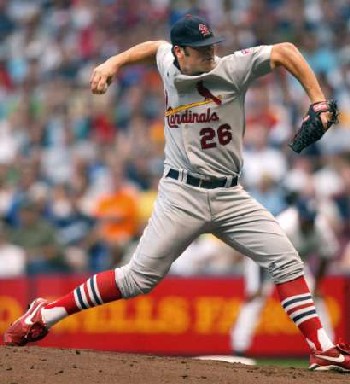
For some video, you can click here for a clip from his time with Tulsa this year. His numbers are tremendous and the Braves likely see him as a bullpen option, especially in regards to 2016, but that may be one of the ugliest "inverted W's" I've seen since Anthony Reyes.
For one or two seasons, maybe the Braves get something out of Winkler. But his chances for sustainable success in the major leagues looks considerably small. In fact, I would be shocked if he doesn't have another Tommy John surgery. Or two. That delivery is just asking for issues.
Still, worth a shot, especially as a forward-thinking move toward 2016, but I would have thought the Braves would get more out of a guy with more of a chance of helping them now like Zach Borenstein or Jed Bradley, who would have a lower ceiling, but a better chance of giving the Braves something.
First, we say good bye (tentatively) to J.R. Graham. A fourth rounder in 2011 out of Santa Clara University, Graham was one of those guys that Frank Wren and his scouting team were hoping could just stay healthy. In his first full season, 2012, he had wonderful numbers while pitching for both Lynchburg and Mississippi. At his best, Graham had great velocity with huge natural sink and good secondary offerings that made him more of a pitcher compared to some of the throwers in the minors. After 2012, he was a Top 100 prospect in both Baseball America and Baseball Prospectus' eyes.
Then came an injury-riddled 2013 and a woeful 2014 campaign where his velocity and sinking action was considerably diminished. He went from velocity that topped off at around 100 mph to struggling to reach 92 within the span of two years before his 25th birthday. Of course, we wouldn't be saying good bye to him if he still had the velocity.
He'll have to make the Twins roster, which recently added another ex-Brave I need to profile in Ervin Santana or the Braves will certainly take him back (or work a trade if the Twins like him too much to let him go).
Meanwhile, the Braves added a pair of players. First, let's talk about Steven Rodriguez, a catcher from the Arizona system. The former UCLA product has never hit, but does possess a good arm behind the plate and appears apt at receiving pitches. He provides a little depth at Gwinnett, but not much else. Still, I'm sure some of the pitchers at Gwinnett will appreciate his arm.
The more interesting pick was pitcher Daniel Winkler. Not to be confused by the knife-maker of the same name, who may or may not be starring in the Dr. Pepper Ten commercials, Winkler was a guy climbing the ladder rather quickly in the Rockies system before last June's injury troubles put him under the knife. The 2013 minor league strikeout king was 12 starts into a great year with AA Tulsa that included a one-hit, double header shortened, shutout with ten Ks. In a system that already possessed two big pitching prospects, Winkler was outpitching them before his injury.
But there was a reason Winkler was drafted in the 20th round and didn't get much love before the season as a big prospect, despite leading the minors in strikeouts in 2013. It's also probably one of the biggest contributing reasons he would undergo Tommy John surgery. His delivery is ugly. Super ugly. Like, this ugly:
 |
| Courtesy: milb.com |
 |
| Courtsey: chrisoleary.com |
Still, worth a shot, especially as a forward-thinking move toward 2016, but I would have thought the Braves would get more out of a guy with more of a chance of helping them now like Zach Borenstein or Jed Bradley, who would have a lower ceiling, but a better chance of giving the Braves something.
Subscribe to:
Posts (Atom)